
the outlier №287
I would prefer not to, f for fake and personal tutor

I’m Ben Mercer and welcome to The Outlier. This letter covers a lot of ground — taking in my move from pro rugby player to author and online man of letters — with reflections on books, interesting individuals, cross-cultural connections and the odd detour.
Hi there,
One of my recent things is to start doing everything a bit more properly so I thought I’d be a good content professional and repurpose some of my old material for Substack. I started with a 6 year old piece on constraints from my website and found myself much more interested in having a conversation with it. Here’s the weirder and probably better piece that resulted.

Given everything I’ve got going on, it feels like I could use a few constraints right now. You could make my dream of being a full-time substacker come true by taking out a paid subscription but even if you don’t want that to happen, a paid subscription will get you a host of perks and help encourage the cause of male literacy.



for your interest
i would prefer not to
This week I read Bartleby the Scrivener, a short story from the white whale of American literature himself Herman Melville.
I read Moby Dick at university and loved it. It’s one of those grandiose books that can unfold forever in your head – but what does the whale really mean (and so on). Bartelby is much simpler.
Bartleby is a corporate lawyer of sorts on Wall Street, someone who spends his time endlessly copying out documents. He joins the narrator’s existing business and to begin with, is an extremely productive employee. But when he’s asked to do something beyond his immediate remit, he replies with the immortal line,
I would prefer not to.
He then weaponises this line to do less and less, totally impervious to anyone’s entreaties, setting up camp in the office and eventually, upon his imprisonment for a strangely modern form of vagrancy, he dies having not bothered to eat.
At first I thought this was a little passive resistance à la Gandhi but it’s not. Gandhi had an alternative proposal whereas all Bartleby has is a refusal. He chooses nonparticipation.
Recent Outlier reading recommendation Joan Westenberg wrote an essay calling for some Normality. She said,
Everything has become so very totalizing […] You can’t just go to bed earlier - you have to sleepmaxx.
She’s right, but I think she’s a little too online. Recently, podcaster extraordinaire Stephen Bartlett started a whole spate of discourse when he said a couple of glasses of wine one night made his next day of podcasting very difficult. Predictably, everyone set on poor Stephen.
Now I hold few candles for Stephen Bartlett but to be fair to him, he works in the modern coalmine, that where we mine for nuggets of content. If it was as easy as everyone says, why don’t they have a podcast that makes them ungodly sums of money? But I think there’s a more important response to Stephen, his comments and the resulting furore, one that aligns with Westenberg’s message but perhaps takes it a little further.
Not bothering with it.
Maybe we should be Bartlebymaxxing. If there’s some kind of mindless shit going on, like Stephen’s minor wine debacle, then we can just decide not to care. Say to yourself, internally even,
I would prefer not to.
f for fake
I made a new friend in the last week or so and propitiously for me, she’s a storytelling expert. After a fun chat, she told me to watch this video which, in about 4 minutes, gives some absolutely brilliant storytelling advice. I immediately restructured the short story I’m working on to incorporate some of its promptings.
Orson Welles sounded like a bit of a tyrant but he comes across here as an avuncular uncle, albeit one who clearly knows his storytelling onions.
personal tutor
Sometimes I feel like I didn’t get to study the right things. Aside from literature, I did History and Geography at school but now I wonder if I’d have been better served by something along the lines of Classics or Philosophy.
To give myself a bit of a belated education, I’ve turned a Claude Project into a personal tutor and we bandy concepts back and forth, with dilemmas based upon the stuff that crops up in my work – performance, writing, truth, character and so on. I’ve given it all my context and some instructions, part of which are:
You are my private classical tutor — erudite, exacting, warm. Each session you teach me ONE idea from philosophy, history, literature, or how to read art: a real, named, load-bearing concept, never a vibe.
For the past three days, I’ve hit Go and then we’re back and forth for about 15 minutes. Here are a couple of the topics we’ve bandied about:
Sprezzatura — Castiglione’s term for studied carelessness: the art of making a difficult thing look effortless, concealing the labour behind it. The live tension is whether this is honest grace or a kind of lie.
The Diderot paradox — From Paradoxe sur le comédien: the actor who feels nothing moves the audience more reliably than the one who feels everything, because cold control out-performs live emotion. Raises whether sincerity or technique is the truer route to effect.
Sprezzatura is a little deception, often consented to by the audience. Athletes make things look easy but while we know they’ve practised ad infinitum, we like to think two things – both that they’re superhuman and that we could do the same things. The sheer effort has been hidden, both by the expertise of the performer and by the willingness of the crowd.
The Diderot paradox hides the feeling. Like a comedian who feigns surprise when they get a laugh at an unexpected place despite it being the 40th night of the tour or the actor who can cry on cue, this is the arena of the seasoned pro, one who can bring emotion to bear from nothing at all.
These are concepts applied to performance but they feel increasingly important – ff an answer is too easily arrived at, is it worth anything? If the story is written artificially, should it still move us?
Whatever the answers, and I’m hardly going to arrive at them here, I’ve enjoyed these little discourses each day this week. The private classical tutor was once the preserve of nobility and now I get to have one on my phone. I know it’s not a person, but for now I’m happy to believe I’m learning something.
a read
You can pick up Bartleby the Scrivener at low cost in all kinds of places and it’s the sort of thing I could record as an audiobook for you people given its age. I should really just do that shouldn’t I?
Aside from him, I’ve started reading Umberto Eco’s The Name of the Rose, a monkish murder mystery set in the Middle Ages. It’s one of the bestselling books of all time but had somehow passed me by and while I’ve only read the opening, it’s both intriguing and quite dense so far.
a watch
Tomasi di Lampedusa’s The Leopard lands on many an all-time reading list and perhaps as I read it a while ago, the Netflix adaptation passed me by.
I started watching it and it is lovely, intriguingly shot in the beautiful Sicilian countryside and with a lead actress with a face like a painting, it’s the most handsome screen adaptation I’ve seen for a while. It might even lead to a reread of the book!
a quote
‘How might we be better ancestors?’
― Emily Raboteau
lastly
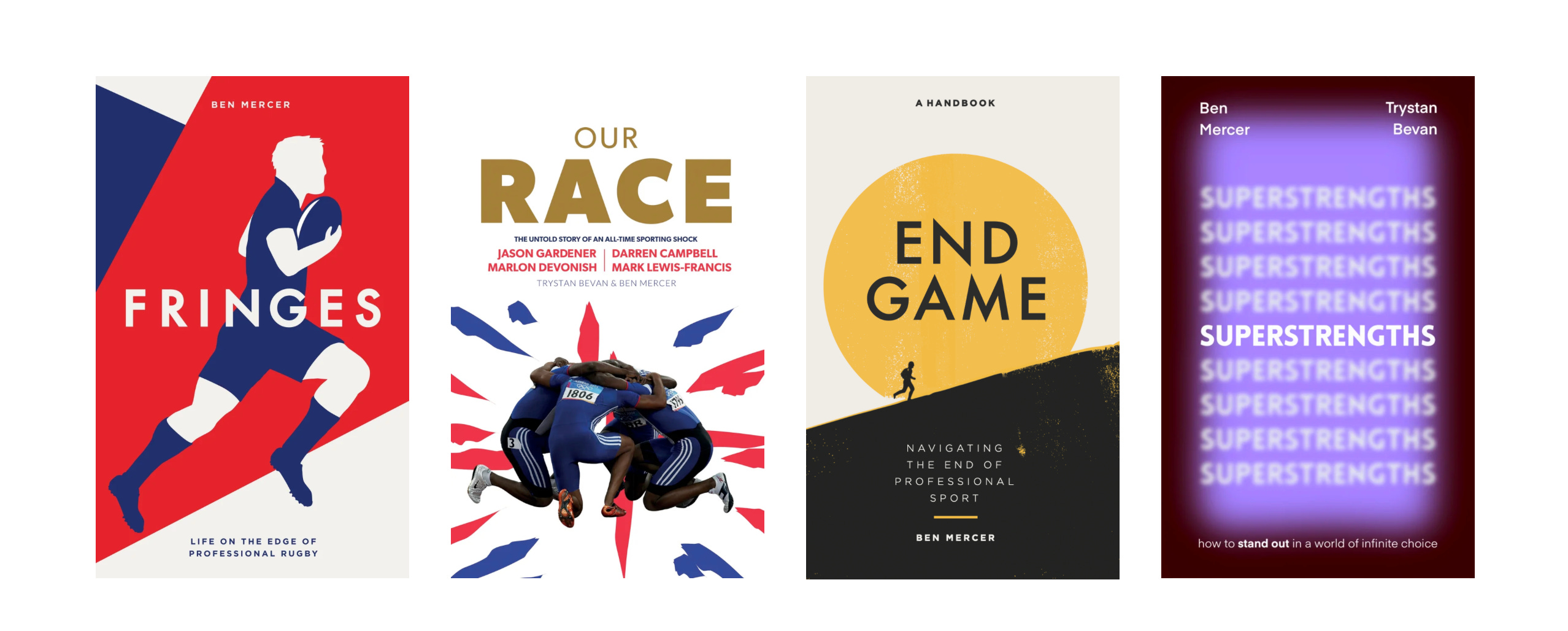
Thanks for reading! My work is made possible by you so if you’d like to support me you can buy my books, hire me to do something or you can become a paid subscriber using the button below.
If you want to help me out for free, you can share this letter with someone who might enjoy it, either on social media or by directly sending it to them using the button.
I’ll see you next time.