
the outlier №270
feelings, data and dancing

I’m Ben Mercer and welcome to The Outlier. This letter covers a lot of ground — taking in my move from pro rugby player to author and online man of letters — with reflections on books, interesting individuals, cross-cultural connections and the odd detour.
this week – feelings, data and dancing
Hi there,
The week has been wild and largely dictated by the weather. I was fortunate to make it to a very wet Emirates stadium to watch Arsenal and got outside during the one clear, bright day we’ve had all week to stretch my legs.


All the walking has been most welcome and aptly, movement is the theme of today’s musings.
the books
Monday was fun as I revisited a topic I used to spend most of my time thinking about, talking rugby at the launch of Sam Larner’s new book on rugby’s use of data, Attacking The Space.
We had a chat on a small stage in central London compered by another rugbyman, Sam Roberts, speaking about rugby’s past, present and speculating on its future, with an ostensible focus on analytics. The book is a good explainer of what’s ‘actually’ going on when you’re watching rugby, with insights into decisions made by coaches and players that can be quite opaque to even an experienced observer.
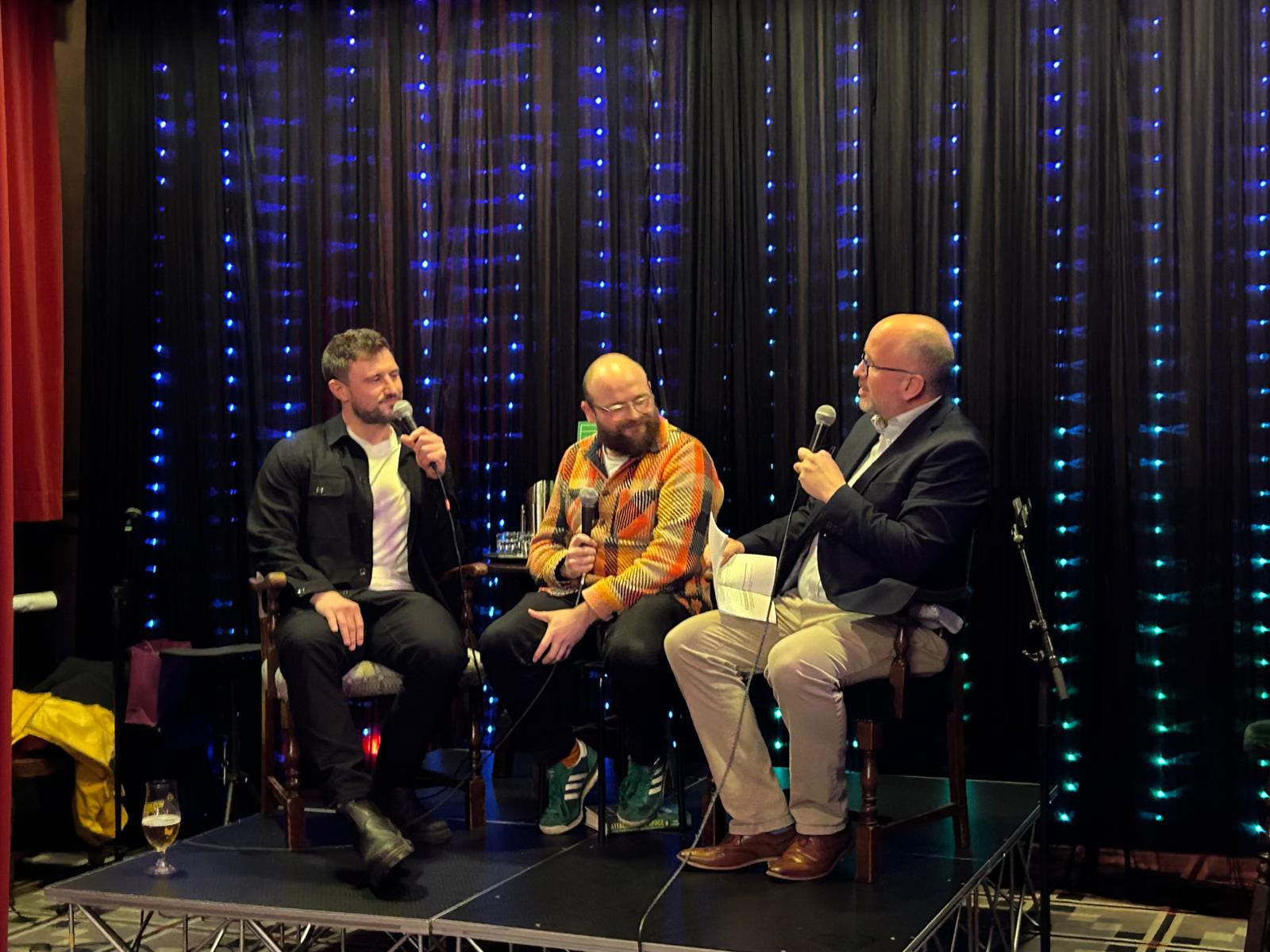
I really enjoyed being on stage but also, talking rugby again. My book publicist friend, used to hearing me blather about books, told me it was interesting to hear me speak about the sport for a change. Maybe I’ll do it some more!
Sam Larner is also a great example of sharing your work online. He’s a rugby and data nerd that through posting on Twitter, has become a full-time analyst and consultant in professional sport, as well as an author. It’s crazy to me that people still overlook the power of posting online to change, or even to create, your career.
Excitingly for my own career prospects and options, I’ve handed in a second draft of my magazine piece and am awaiting a final bit of feedback. When it’s published, it’ll be a accompanied by a social post – the kind of two for one content creation I always thought might be possible when I began doing all of this stuff.
Finally, I secured my blank canvas and nailed down the studio space! I get the keys towards the end of the month. I’m really excited for this but as I realised when I went to sign the papers, it is completely and totally empty…
feelings, data and dancing
On Monday night, after talking about an old love of mine in rugby, I was left with a small, untapped curiosity.
Rugby, as is the way with many things, is more explicable than ever. We have more information, more analysis, more ways of explaining why teams win and lose.
But one story from my time in France kept returning to me.
Our new signing Aurélien stood in at first receiver during a drill, waiting for the ball to arrive in his hands. He was new to us but clearly a leader, with an aquiline nose reminiscent of a Roman emperor and the quiet calm of someone who’s seen it all on a rugby field. We asked him what the call was.
He turned, a grin of playful chastisement on his face.
‘Feelings.’
He said this and turned back to catch the ball, forcing us all to make something up on the fly and it worked. After that, we’d often call ‘feelings’ rather than any kind of set play. When you watch the best French teams play rugby, there is clearly no way someone could decide to do what they decide to do before it happens. There’s an intuitive intelligence at play.
At the end of last week, I went to a talk at Somerset House about a collaboration between choreographer Wayne McGregor and a group of artists and technologists.
One part of the exhibition really stayed with me.
McGregor choreographed two dancers. His collaborators then worked with him to strip away everything they could, visually reducing the dancer’s bodies as far as possible while remaining recognisably human.
The result was two abstract swirls weaving in and out of one another above a floor covered with water, swarms of light bursting from the point a movement ended, like bursts of fireworks appearing and disappearing at each endpoint.
The panel explained that these tiny flares were generated using the same maths used to model bird murmurations. They called them boids. Someone described the effect as creating something like a brain at each movement endpoint. Where the rugby conversation had been about outcomes and numbers, here the movement itself became visible.
And it was spectacular – we saw the inherent intelligence of an expert dancer in performance stripped to its essentials and in doing so, becoming art.
The constant, rolling movements of murmurations are enormous displays of intelligence made manifest. Each whorl and wheel is a decision made in concert with the whole flock, each flare emanating from something more intuitive than thought.
The best of sport is the same, micro-decisions and movements coming together in unplanned concert, like an orchestra gone experimental jazz, all flowing to something climactic, a crescendo impossible without rigorous practice and analysis but above all, instinct. Feelings.
Here the data revealed what the dancers were doing and while they were no longer physically there, the performance would not exist without their moving intelligence. The technology revealed what was already there, illuminating it in bursts of light and colour, turning human patterns into a visual metaphor and an instruction.
Reflecting on this as I write, I remembered I once found myself inside a murmuration.
Walking through a hillside woodland at dusk, a chaos of sight and sound erupted just above the trees as the birds began their end-of-day display. Once I realised the source of the noise, I stopped to watch the chaos become order as it unfolded above and around me.
I have no photos of the display, so intent I was on experiencing it. It was performance, it was intelligence, it was alive, and it was all around me. I just needed to see it.


a read
After Wuthering Heights, I was at a bit of a loss as to what to read. How do you follow that brilliant, quite bizarre book?
Well I’ve always wondered what happened to Gabriel Tallent after the success of his brilliant and horrifying debut My Absolute Darling. I’ve never read something so beautifully written but so disgusting – it’s about a young survivalist girl undergoing awful abuse – and it’s the kind of thing I wonder how it’s aged.
(Thinking about it, it’s thematically and stylistically not that dissimilar to Wuthering Heights.)
Anyway, Tallent has a new novel out called Crux and besides the fact I love the cover, it’s about a pair of young friends aspiring to be professional rock climbers. The first 50 pages have raced by so far. I’ll see how it pans out.
a listen
I’ve never read a Lee Child but every time I’ve heard him speak or read him in the paper, I’ve been impressed. This chat with David Perell about the craft of writing is no different.
a quote
‘The spirit of an institution, the impression it makes on the mind of the citizen, is one of the most important parts of its operation.’
– John Stuart MIll
lastly
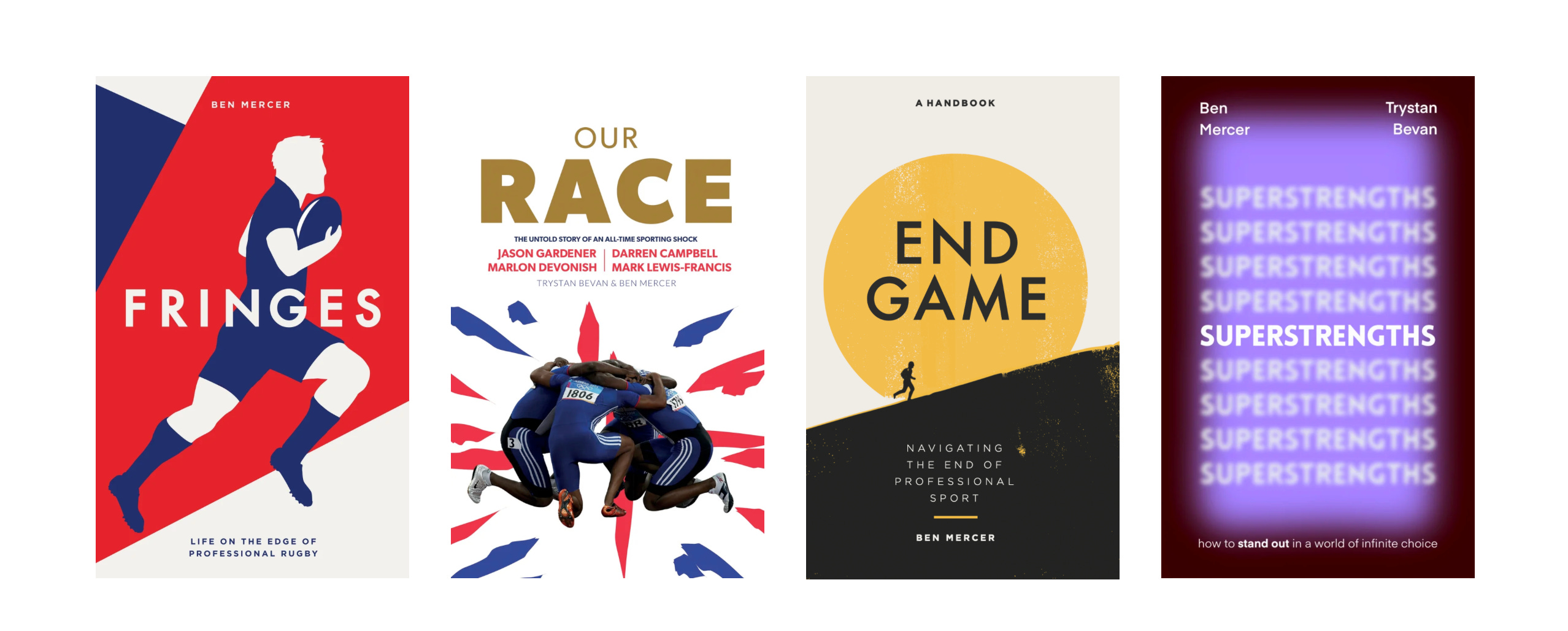
Thanks for reading! My work is made possible by you so if you’d like to support me you can buy my books, hire me to do something or you can become a paid subscriber using the button below.
If you want to help me out for free, you can share this letter with someone who might enjoy it, either on social media or by directly sending it to them using the button.
I’ll see you next time.